How Long Does Therapy Take to Make a Difference?
When considering private therapy, understanding the time commitment is a practical priority. You might wonder if starting means signing up for months or even years of weekly appointments. The duration varies depending on what brings you to sessions and the type of approach you choose, but mental health support is usually a focused process rather than an endless obligation.
The first sign of progress often happens quite early, simply through the relief of explaining your situation to a neutral professional and agreeing on a clear plan. From there, the timeline depends heavily on the type of therapy you are receiving.
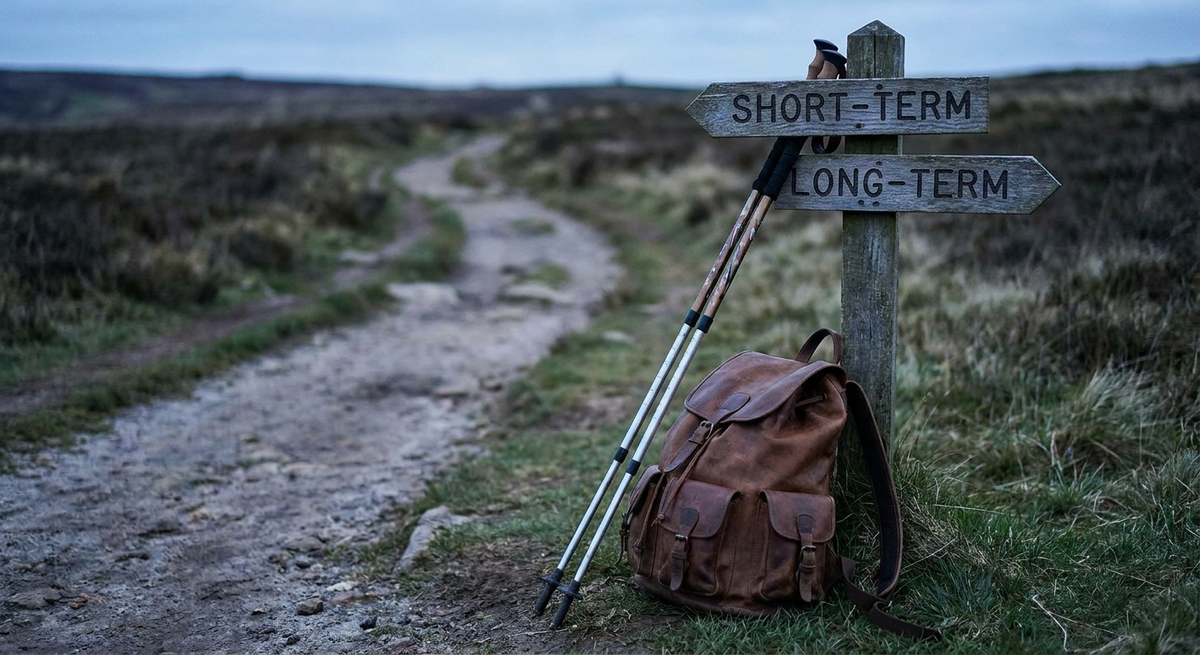
Short-term structure with CBT
Cognitive Behavioural Therapy is inherently structured and goal-oriented. If you are looking for CBT therapy Kent, your sessions will likely focus on understanding how your current thoughts, physical feelings and behaviours interact. Because CBT aims to teach you practical strategies to manage anxiety, low mood or stress, it is often shorter-term.
You might start seeing incremental changes within a few weeks as you test new ways of responding to difficult situations. Progress in CBT is highly practical, often measured by your ability to face previously avoided situations or challenge unhelpful thoughts. While everyone is different, a typical course of CBT might last anywhere from six to twenty sessions.
Open-ended exploratory counselling
If your goal is to make sense of past events, understand complex relationship patterns or process a bereavement, exploratory counselling might be more appropriate. This approach is less directive than CBT. You set the pace, using the time to talk through difficult memories or recurring themes in your life.
Because unpicking deep-rooted issues requires careful reflection and a strong foundation of trust with your therapist, this type of counselling sometimes spans several months. The timeline adapts to what you need to discuss each week, and "making a difference" might initially look like gaining a clearer understanding of yourself rather than an immediate change in behaviour.
Factors that influence your timeline
Several practical elements determine how long therapy takes to show results:
- The nature of the problem: A specific, recent issue like a sudden change at work might require fewer sessions than long-standing anxiety or childhood trauma.
- Your personal goals: Some people want to learn a few immediate coping techniques, while others want a comprehensive understanding of their emotional triggers.
- Between-session work: Particularly in CBT, practicing new strategies or completing small behavioural experiments outside the therapy room often accelerates progress.
Managing your sessions
You remain in control of your treatment length. A professional therapist will review your progress with you regularly, usually every few weeks. This provides an opportunity to check whether the sessions are meeting your expectations and if the current approach is working. If you reach a point where you feel equipped to handle things independently, you can choose to end the sessions or reduce their frequency to fortnightly check-ins.
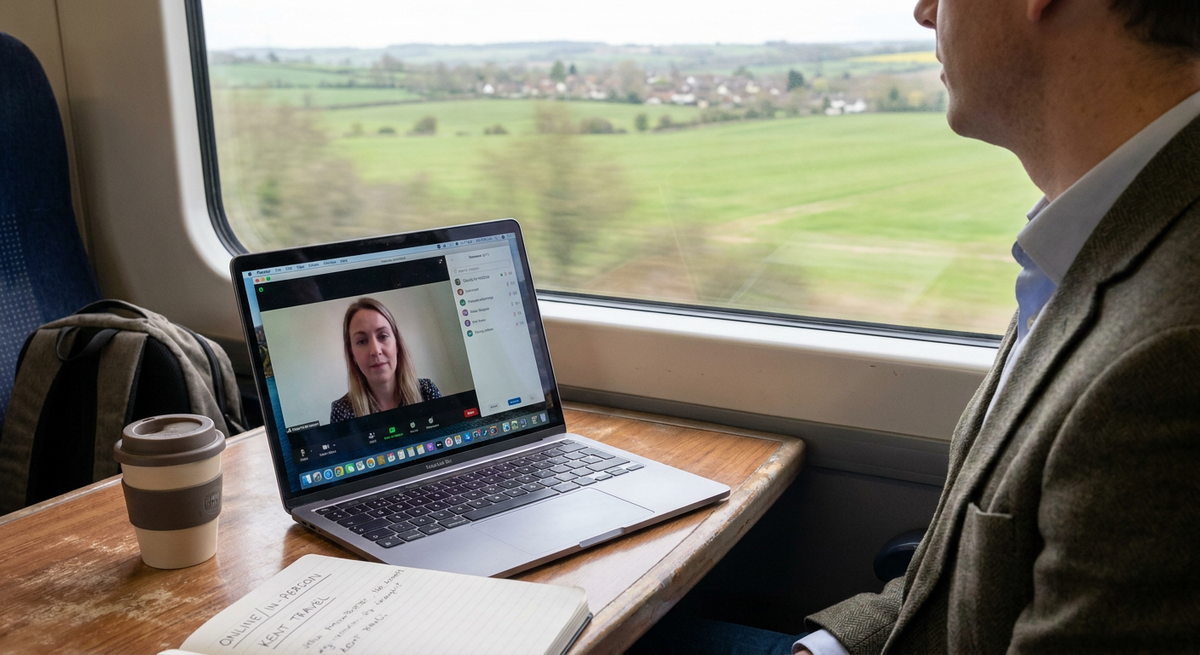
At CBT & Counselling Kent, we work entirely session by session, with no requirement to commit to block bookings. Whether you are looking for short-term CBT or more open-ended private therapy Kent, you can read our therapist profiles, watch their introductory videos, and choose the right professional for you. You can book face-to-face or online video sessions directly online. Each 60-minute session costs £68.
Sian Jones, Founder of CBT & Counselling Kent and professional counsellor.