CBT vs Alternative Therapy: Choosing the Right Support in Kent
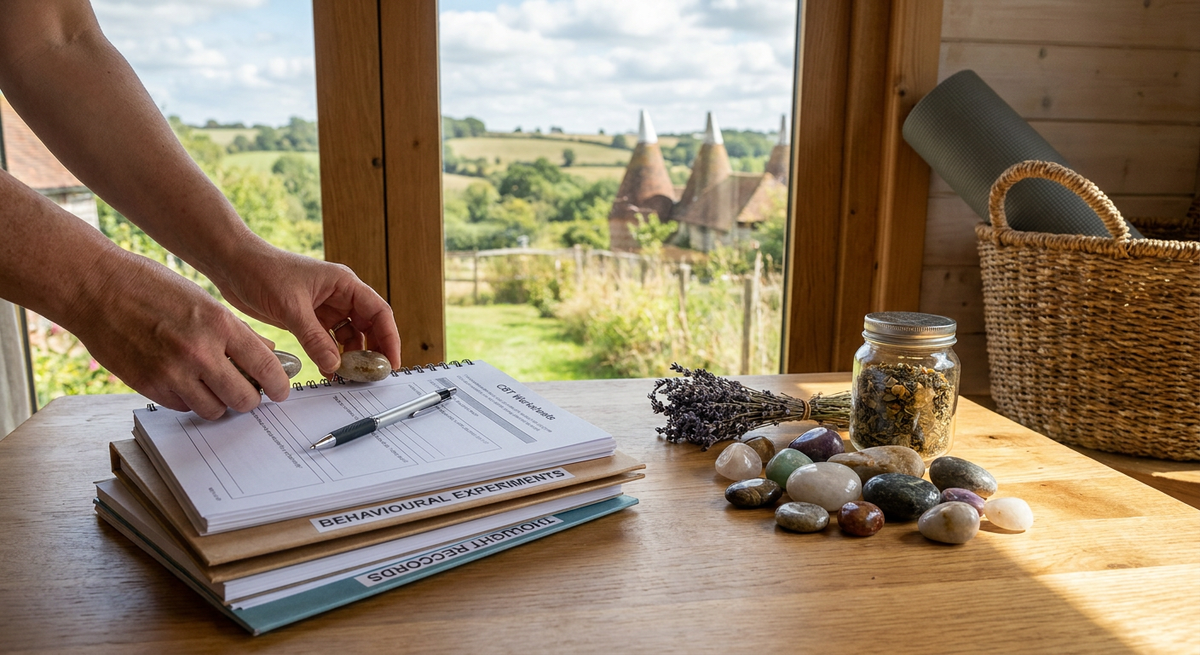
People looking for relief from stress and persistent worry often explore various options to improve their wellbeing. If you have tried acupuncture, herbal supplements or massage, you likely appreciate the physical relaxation these provide. However, when anxious thoughts return shortly after a wellness treatment, you might wonder if a more structured psychological approach is necessary.
Understanding the difference between a holistic alternative therapy in Kent and evidence-based cognitive behavioural therapy can help you decide the best way to support your mental health. While both approaches aim to improve how you feel, they work in fundamentally different ways.
Understanding holistic wellness practices
Complementary and alternative therapies, such as reflexology, aromatherapy or herbal remedies, focus heavily on physical relaxation and overall bodily balance. Booking an appointment gives you dedicated time away from daily responsibilities. This pause often lowers your heart rate, reduces muscle tension and provides temporary relief from the physical symptoms of stress.
While these practices offer valuable relaxation, they generally do not address the underlying cognitive habits maintaining your anxiety. A massage might ease tight shoulders, but it will not teach you how to respond differently when a highly stressful situation arises the next morning. The relief is often physical and immediate, rather than cognitive and long-lasting.
The focus of cognitive behavioural therapy
Cognitive behavioural therapy Kent services take a different approach. Rather than acting as a passive relaxation treatment, CBT is an active, structured psychological intervention. It requires you to collaborate with your therapist to understand exactly how your thoughts, feelings, physical sensations and behaviours interact.
If you find yourself caught in cycles of catastrophic thinking or avoidance, CBT helps you break these patterns down. Your therapist will help you identify the specific triggers for your anxiety. Together, you will look at the evidence for your worries and develop practical strategies to manage them, rather than simply trying to soothe the resulting physical tension.
Active strategies for managing anxiety
In a CBT session, you learn specific techniques to challenge unhelpful thoughts. Depending on your situation, this might involve:
- Keeping a simple record of when your anxiety spikes and what was running through your mind at that exact moment.
- Testing out new ways of responding to stress through carefully planned behavioural experiments.
- Learning targeted breathing or grounding exercises to use precisely when panic arises.
- Gradually reducing the avoidance behaviours that keep your worry going.
These are practical skills you take with you, meaning the benefits of the session extend far beyond the hour you spend with your therapist.
Why evidence-based treatment matters for persistent worry
When dealing with clinical anxiety or low mood, the evidence base behind a treatment is a vital consideration. Cognitive behavioural therapy is recommended by clinical guidelines because extensive research demonstrates its effectiveness for specific psychological conditions. Unlike general wellness practices, CBT has been rigorously tested to ensure it produces reliable results for mood disorders and anxiety conditions.
This scientific grounding means your therapist uses protocols known to work. They will tailor these established methods to your specific situation, ensuring you receive a highly focused intervention rather than general lifestyle advice.
Integrating lifestyle support with structured therapy
You do not necessarily have to choose between holistic practices and psychological treatment. Many individuals combine them effectively. You might use an alternative therapy to maintain general physical relaxation, while attending private therapy Kent sessions to address the root causes of your distress.
Someone managing chronic stress might find that reflexology helps them regulate their baseline physical tension. This improved physical state can actually make engaging with CBT easier, as you arrive at your sessions feeling more settled and ready to focus on cognitive work. The key is recognising what each approach offers. Wellness treatments provide physical comfort and downtime, while CBT provides a robust framework for changing how you process information over the long term.
Deciding when to seek counselling in Kent
If your current wellness routine leaves you feeling relaxed for an hour but anxious again by the evening, it might be time to consider a psychological approach. Persistent worry, low mood and stress often require more than physical relaxation to resolve.
When anxious thoughts disrupt your sleep, concentration or relationships, a structured intervention is usually the most effective step. Working with a qualified professional allows you to target the specific mechanisms driving your anxiety, equipping you with the tools to manage future challenges independently.
Arranging your CBT and counselling sessions
We offer individual CBT and counselling across Kent, with the option of face-to-face appointments or online video sessions. This flexibility means you can access support in a way that suits your schedule and location.
Our service works on a session-by-session basis, with no requirement to commit to a long-term block of treatment. Each full 60-minute session costs £68. You can read our therapist profiles, watch their short introductory videos and check their availability directly on our website. When you are ready, simply choose your preferred professional and book your appointment online.
Sian Jones, Founder of CBT & Counselling Kent and professional counsellor.